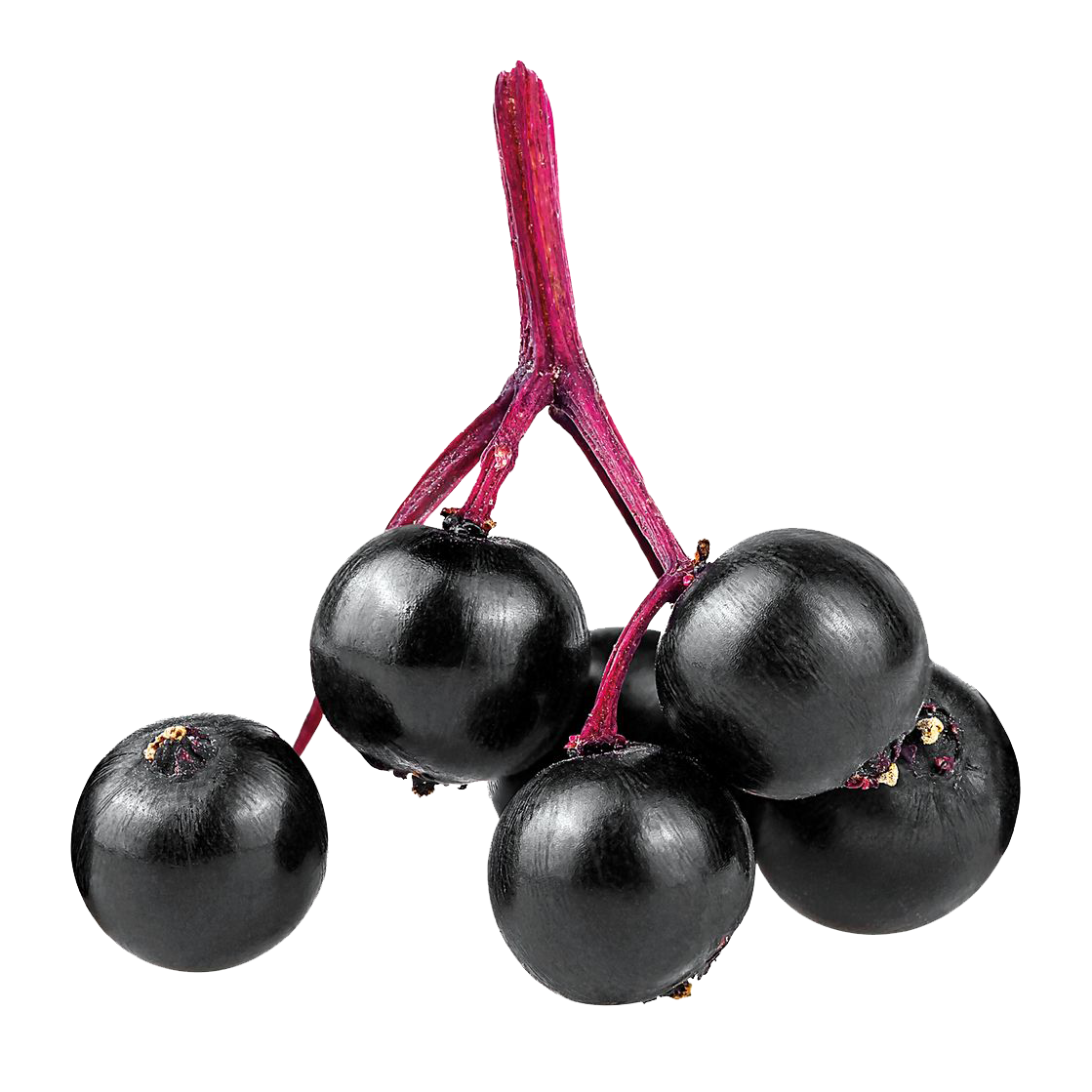

Did you know elderberry has been trusted for centuries?
Long before supplements existed, black elderberry (Sambucus nigra L.) was part of everyday wellness traditions across Europe and North America. Its deep-colored berries were valued for their rich plant compounds and their role in supporting the body during seasonal challenges. Over generations, elderberry earned a reputation as one of nature’s most respected botanicals, not because of hype, but because of experience.
One plant, two very different uses
Many parts of the elder plant have been used historically, but the flowers and berries play very different roles. This distinction helps explain why the berry-based extracts are preferred when a robust, concentrated profile is desired.
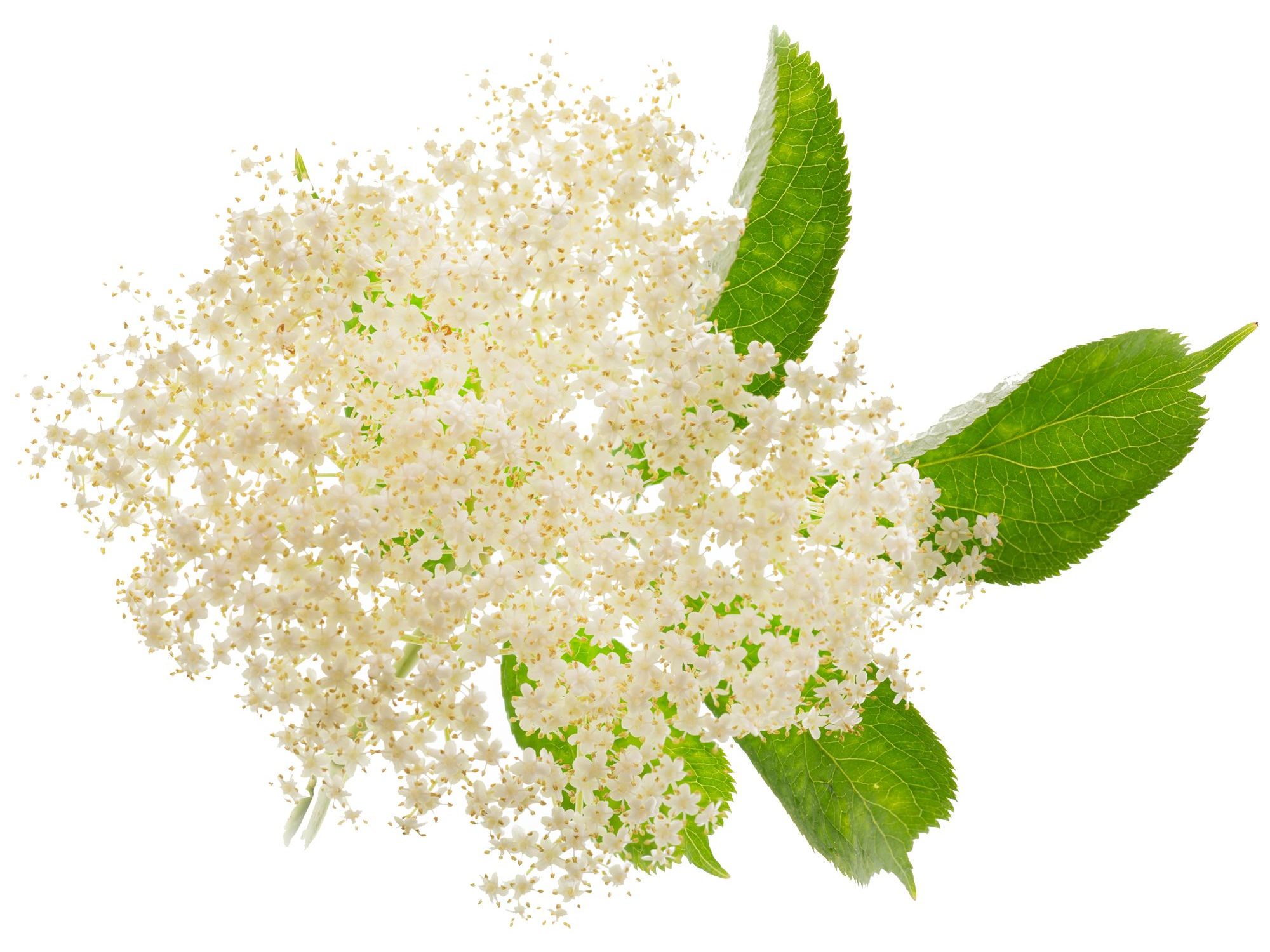
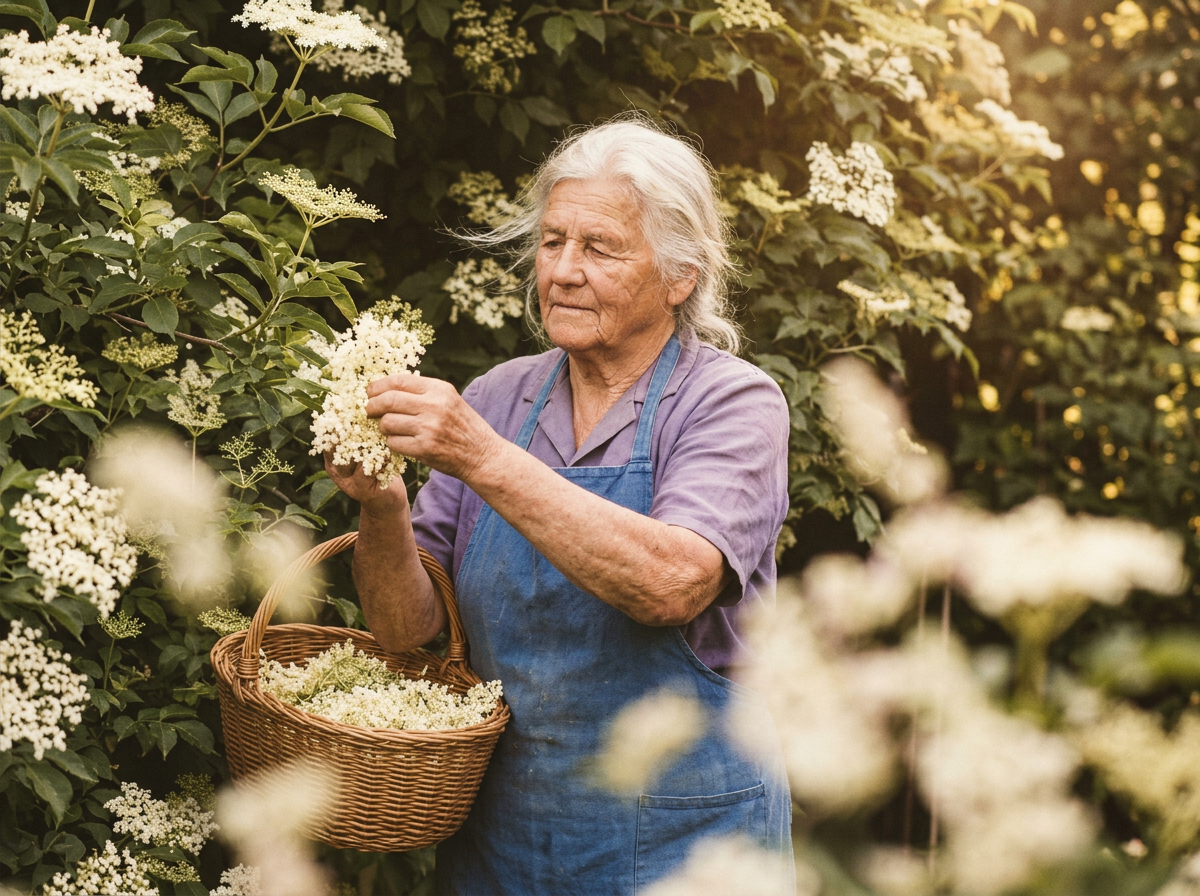
Elderflowers
Elderflowers are valued for their aromatic, light qualities and traditional infusions.
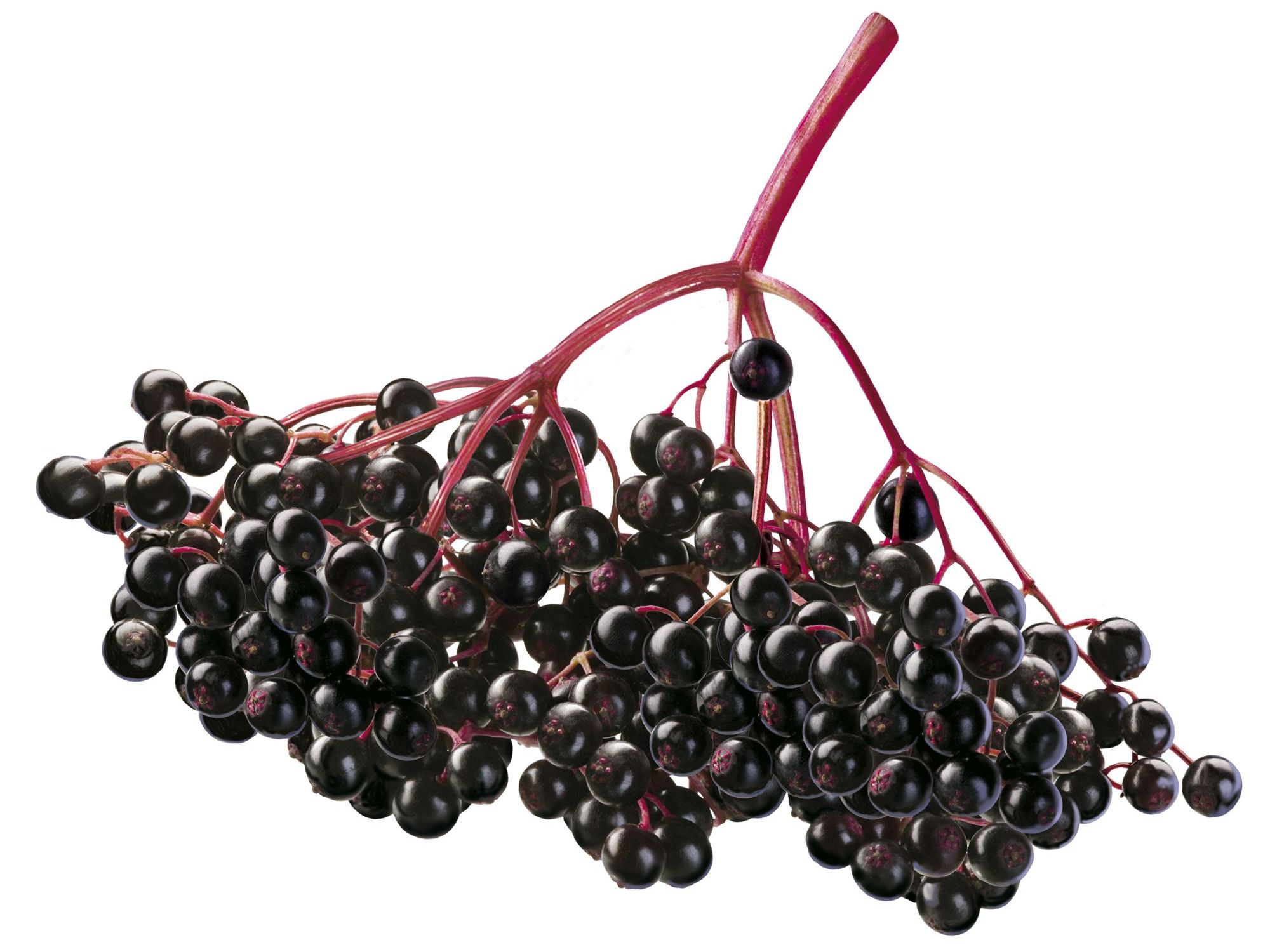
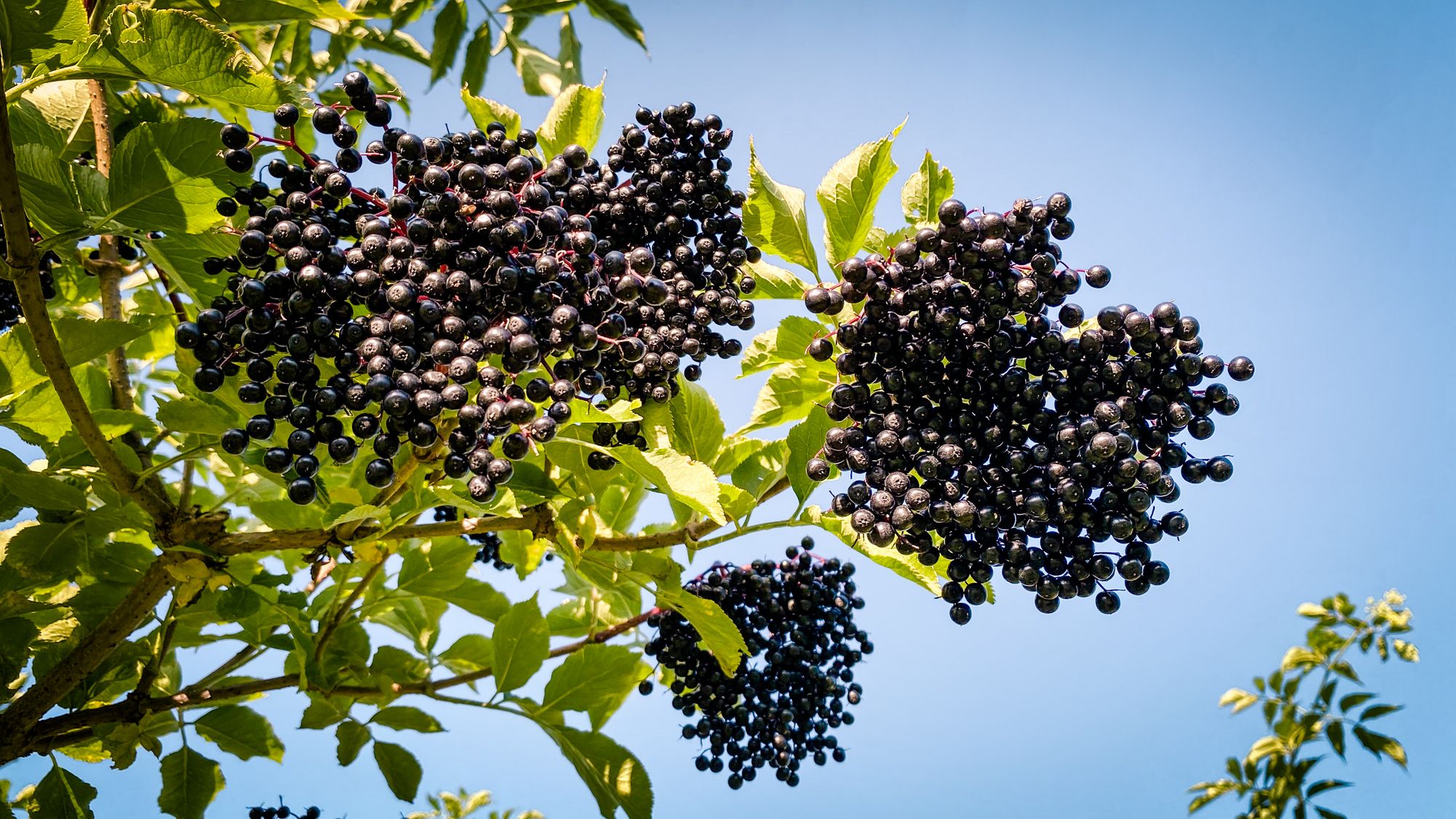
Elderberries
Elderberries develop a deeper, nearly black color from their anthocyanins and polyphenols, powerful plant compounds that enable many of the benefits studied in elderberry research.
Not all elderberries are the same
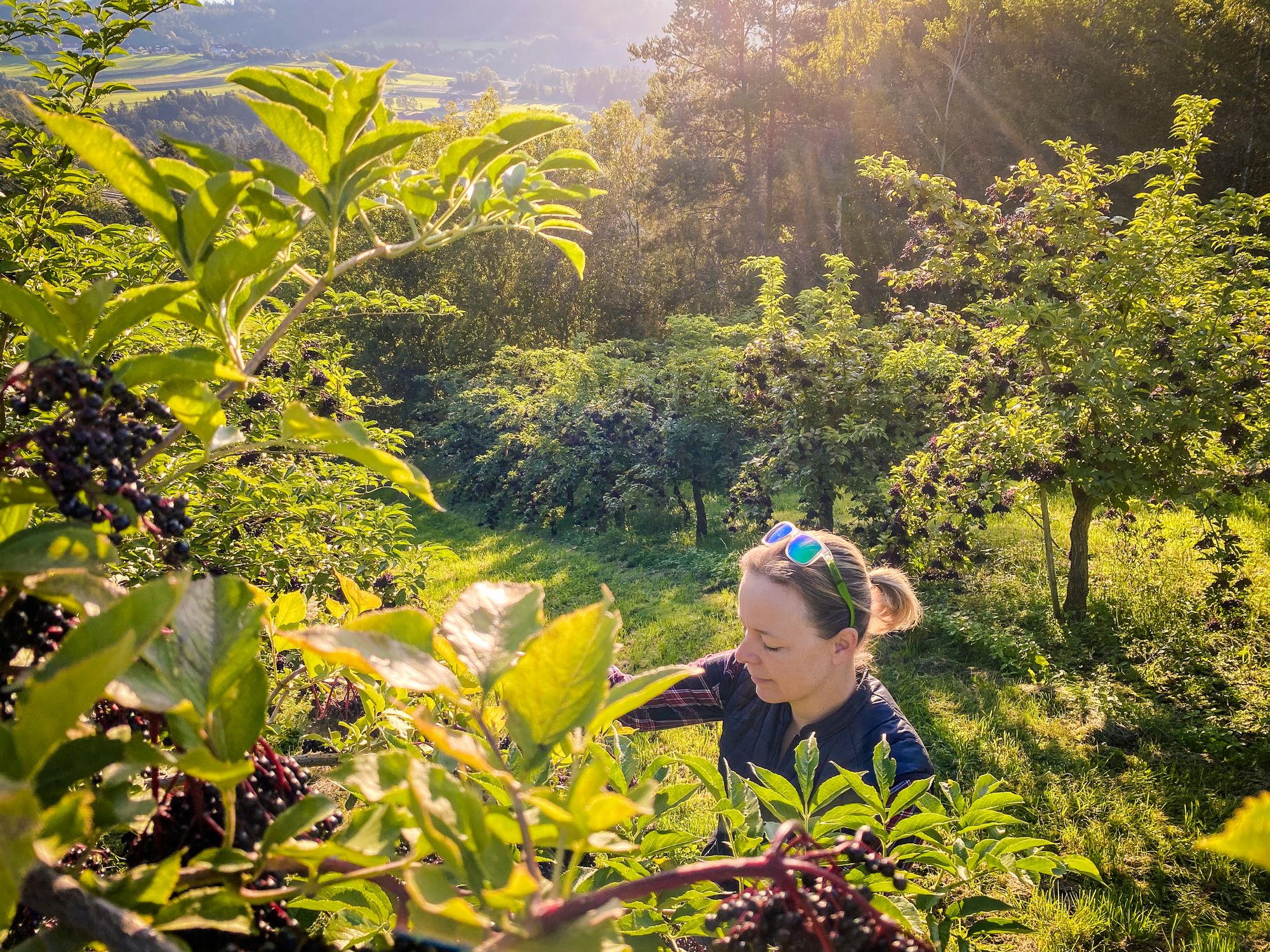
In the 1950s, breeding efforts in Austria focused on making wild black elderberry more predictable and suitable for cultivation. Wild populations offered strong functional properties, but showed high variability in yield, ripening, and composition. This led to the development of the Haschberg cultivar, bridging the gap between natural functionality and industrial reliability.
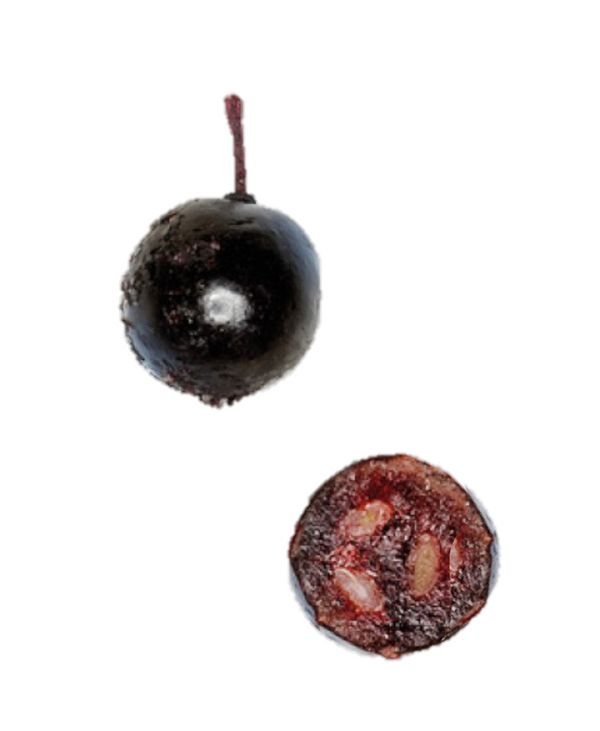
Wild or unspecified elderberry
Strong variability between harvests
Influenced by climate, soil, ripeness, genetics
Variable anthocyanin and polyphenol levels
Inconsistent color and taste
Limited traceability
Often blended to balance fluctuations
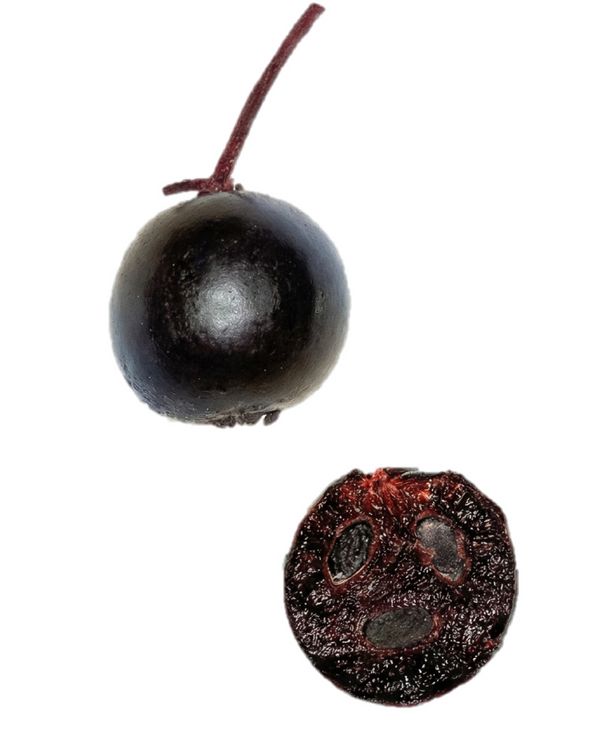
Haschberg - a benchmark cultivar
Uniform ripening
Deep dark color
Reliable composition
Naturally high anthocyanin and polyphenol content
Well-suited for standardization
Commonly used in scientific studies
This means

clarity
for consumers
confidence
for brands
identity
for the ingredient