


What really matters and what doesn’t
Start with the ingredient
Many products promise a lot.
“High potency.” “Maximum strength.” “Premium formula.” But very few actually explain what’s inside. And that’s where the real difference lies. Because when it comes to botanical ingredients, quality isn’t defined by the claim on the front - but by the details behind it.
Variety Matters More Than You Think
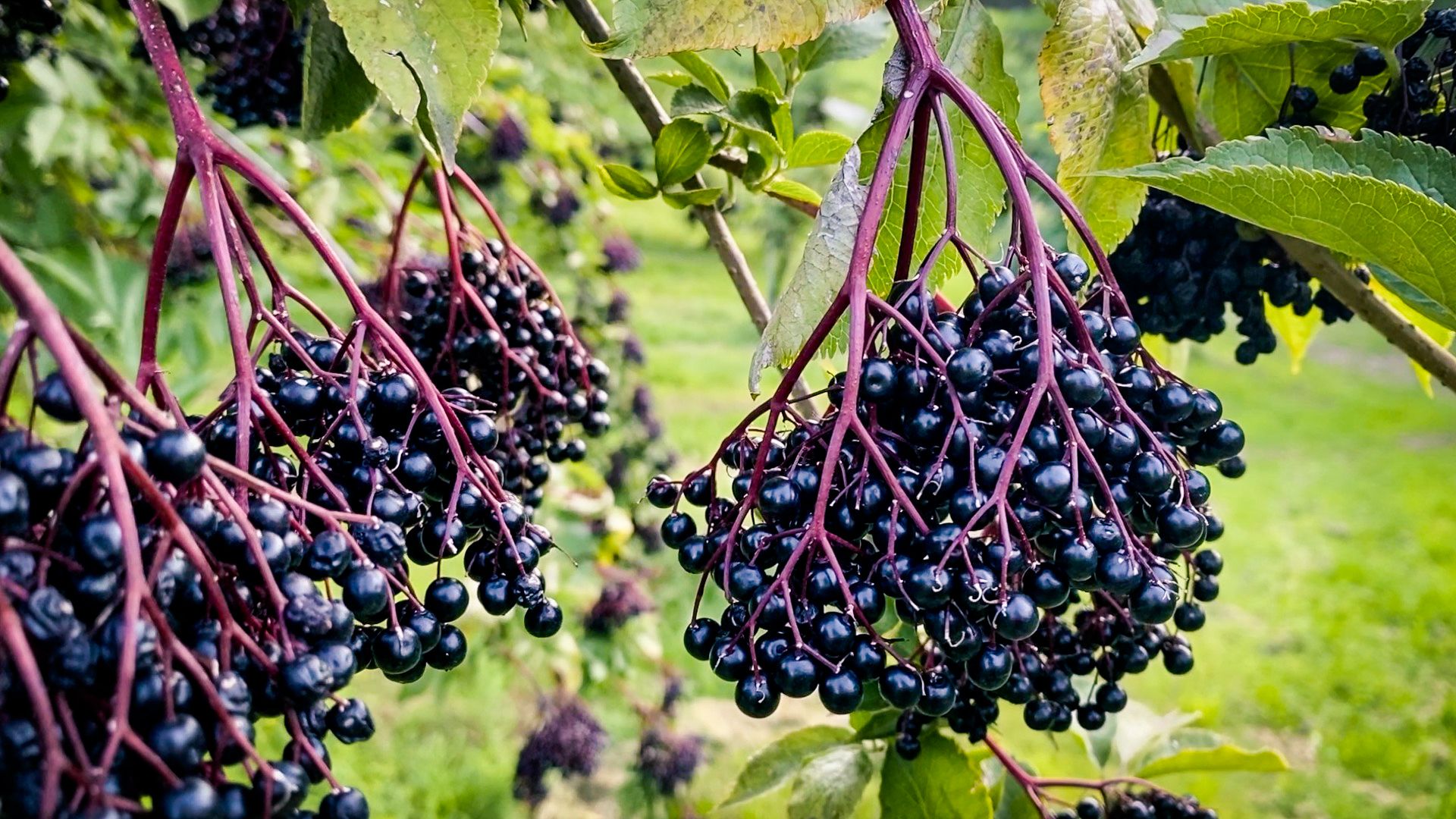
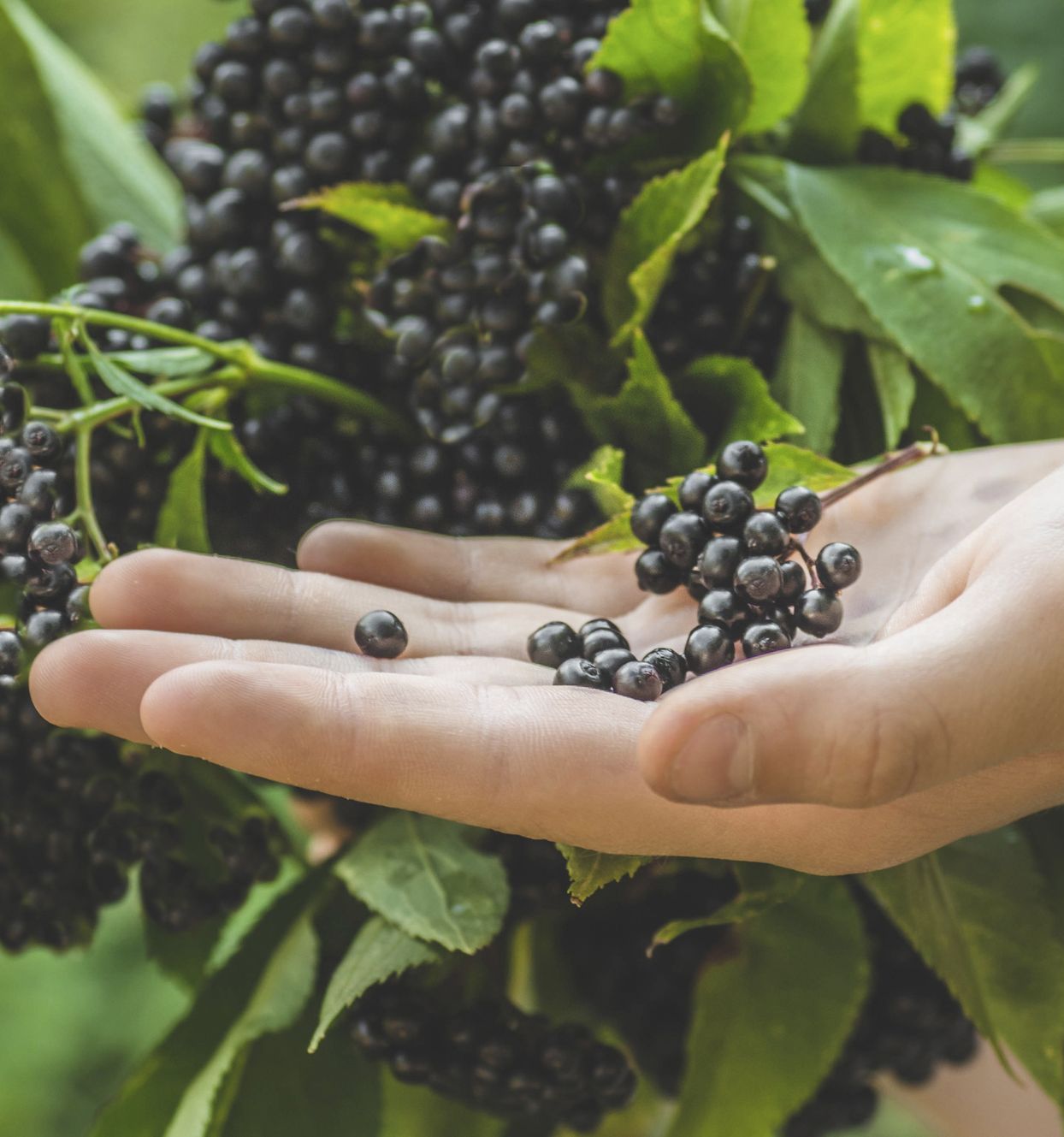
Not all elderberries are the same. Different varieties grow under different conditions and develop different natural compositions. That means two products labeled “elderberry” can be fundamentally different in what they deliver.

 What to look for:
- Is it a branded ingredient?
- Is the origin transparent and traceable?
- Is the cultivar named?
- Is the delivery format clear: juice, powder, concentrate, or standardized extract?
- Are anthocyanins/polyphenols standardized?
If this information is missing, it’s often a sign that quality is not the priority.
What really matters and what doesn’t
Start with the ingredient
Many products promise a lot.
“High potency.” “Maximum strength.” “Premium formula.” But very few actually explain what’s inside. And that’s where the real difference lies. Because when it comes to botanical ingredients, quality isn’t defined by the claim on the front - but by the details behind it.
Variety Matters More Than You Think
Not all elderberries are the same. Different varieties grow under different conditions and develop different natural compositions. That means two products labeled “elderberry” can be fundamentally different in what they deliver.
What to look for:
- Is it a branded ingredient?
- Is the origin transparent and traceable?
- Is the cultivar named?
- Is the delivery format clear: juice, powder, concentrate, or standardized extract?
- Are anthocyanins/polyphenols standardized?
If this information is missing, it’s often a sign that quality is not the priority.
What's the real difference?
Extracts, concentrates or powder
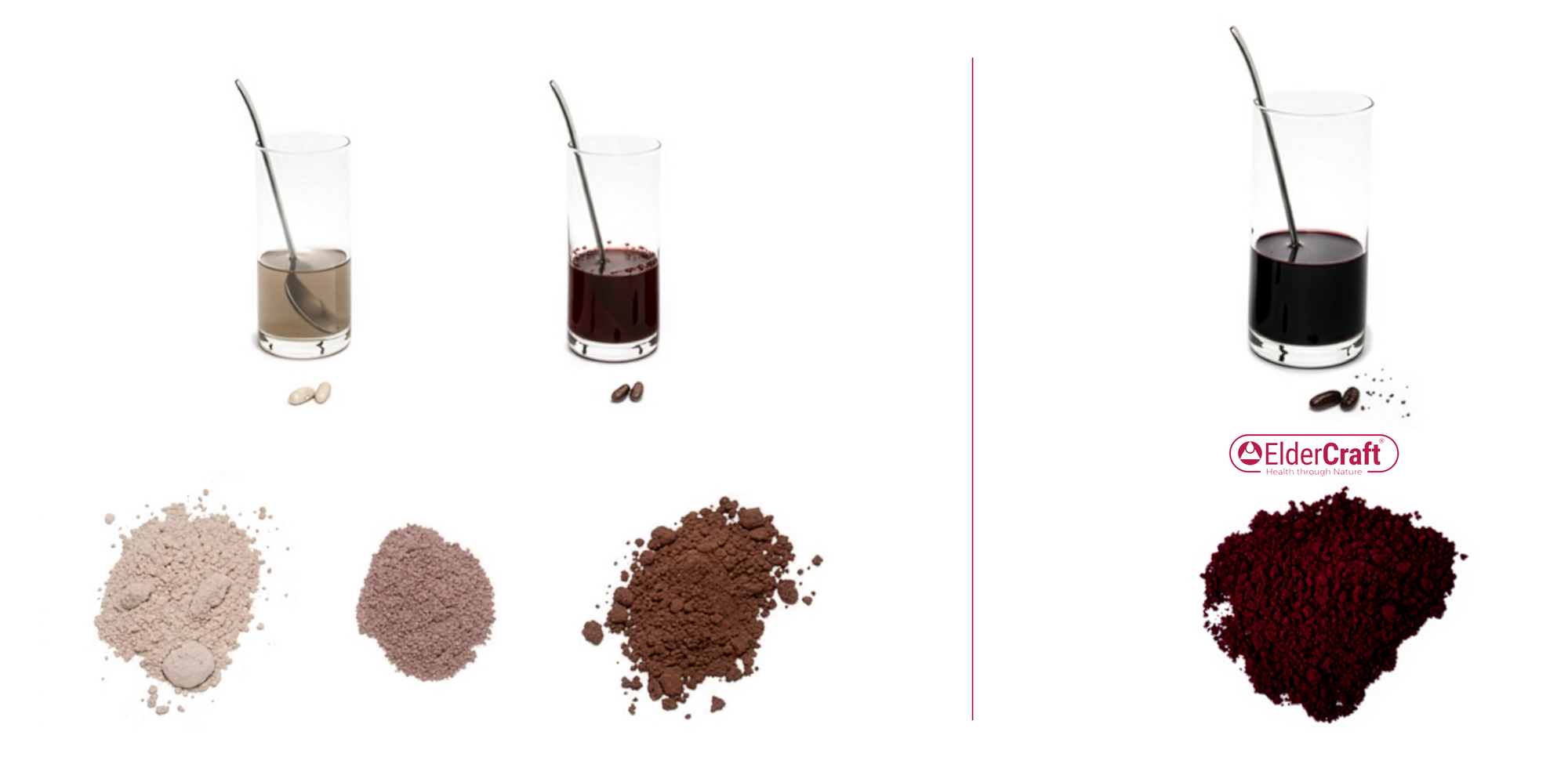
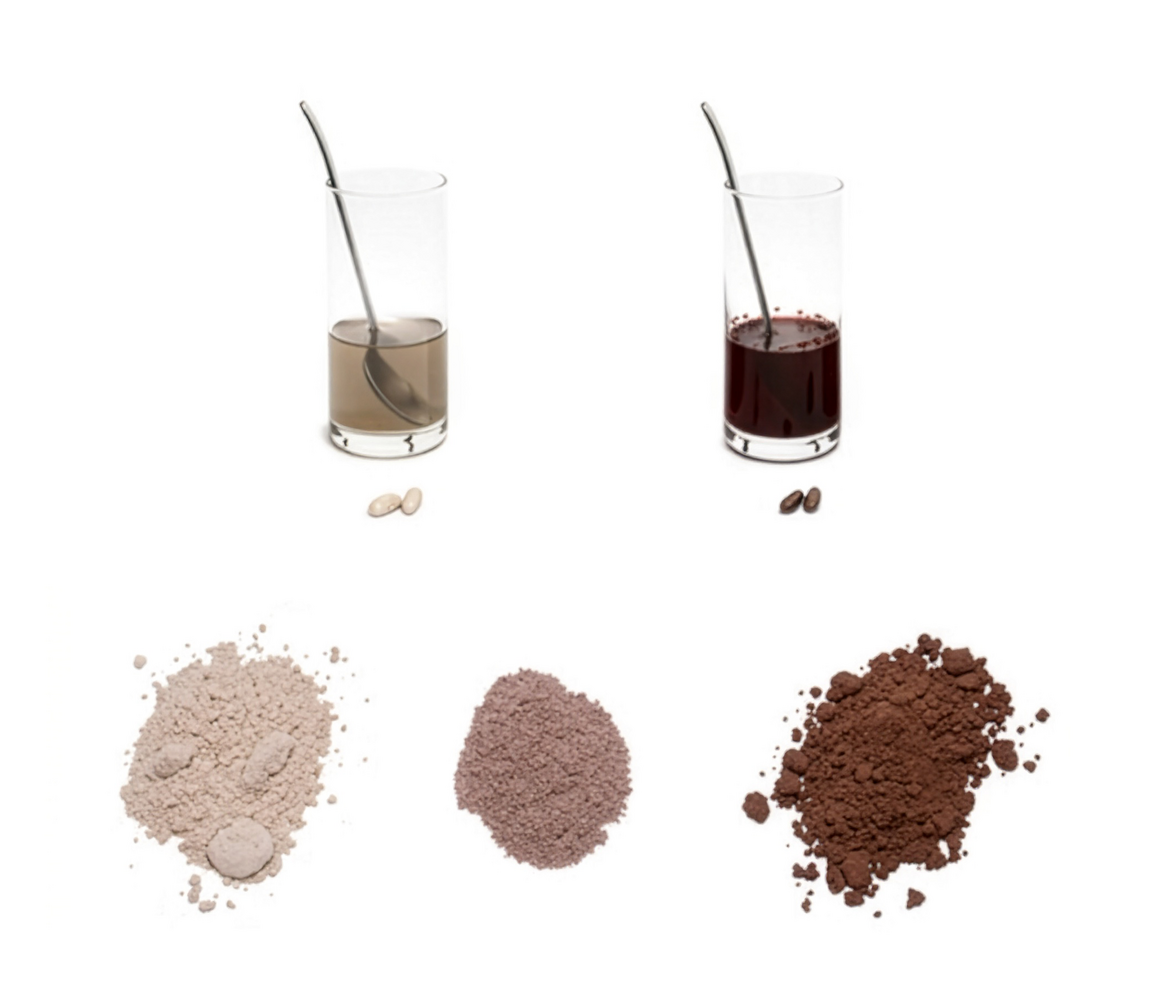
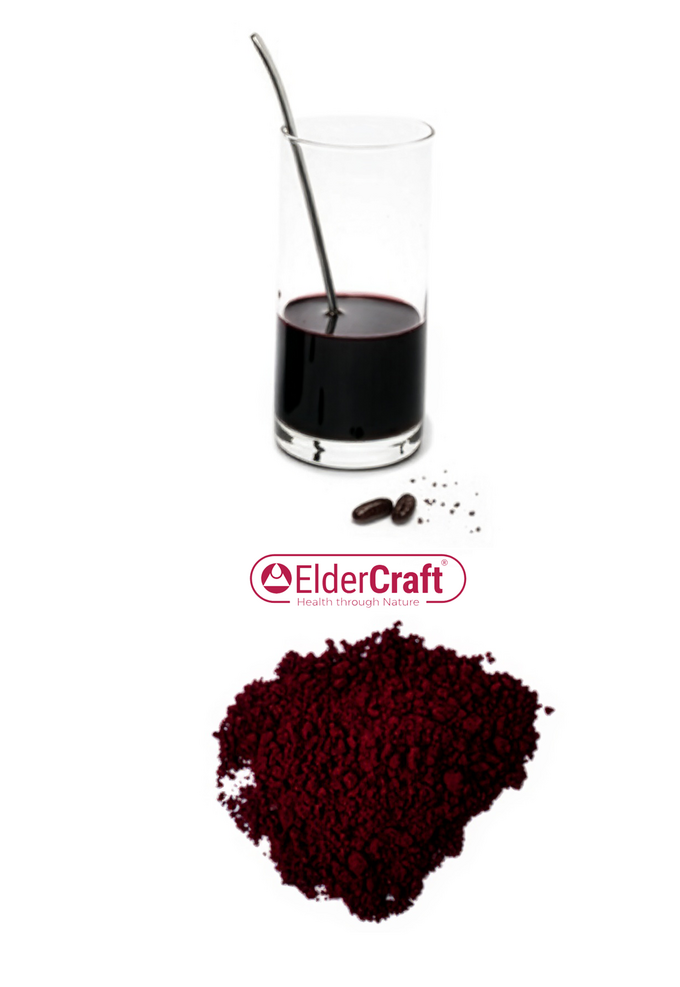
At first glance, elderberry concentrate, elderberry powder and elderberry extract may sound similar, but they are fundamentally different.
- Concentrates are produced by pressing berries and removing water. The result is mainly a source of natural sugars, acids, and colour, with bioactive compounds present in variable and often undefined amounts.
- Powder can mean many things: dried juice, ground fruit, spray-dried concentrate or a blend with carriers. That makes it hard to know what is really inside and how much of the key elderberry compounds it actually contains.
- Extracts are different. They are designed to selectively concentrate specific plant compounds, such as polyphenols and anthocyanins, while reducing sugars and unnecessary components. Through controlled extraction and filtration, extracts deliver a more consistent, measurable, and reproducible composition.
A concentrate is mainly about fruit taste and colour.
A powder can vary widely.
A standardized extract is about defined elderberry quality.
This distinction matters:
while juice concentrates are ideal for flavor and sweetness, standardized extracts are preferred when quality, consistency, and functional relevance are the priority.
Why branded ingredients matter
Not every “elderberry” ingredient is the same.
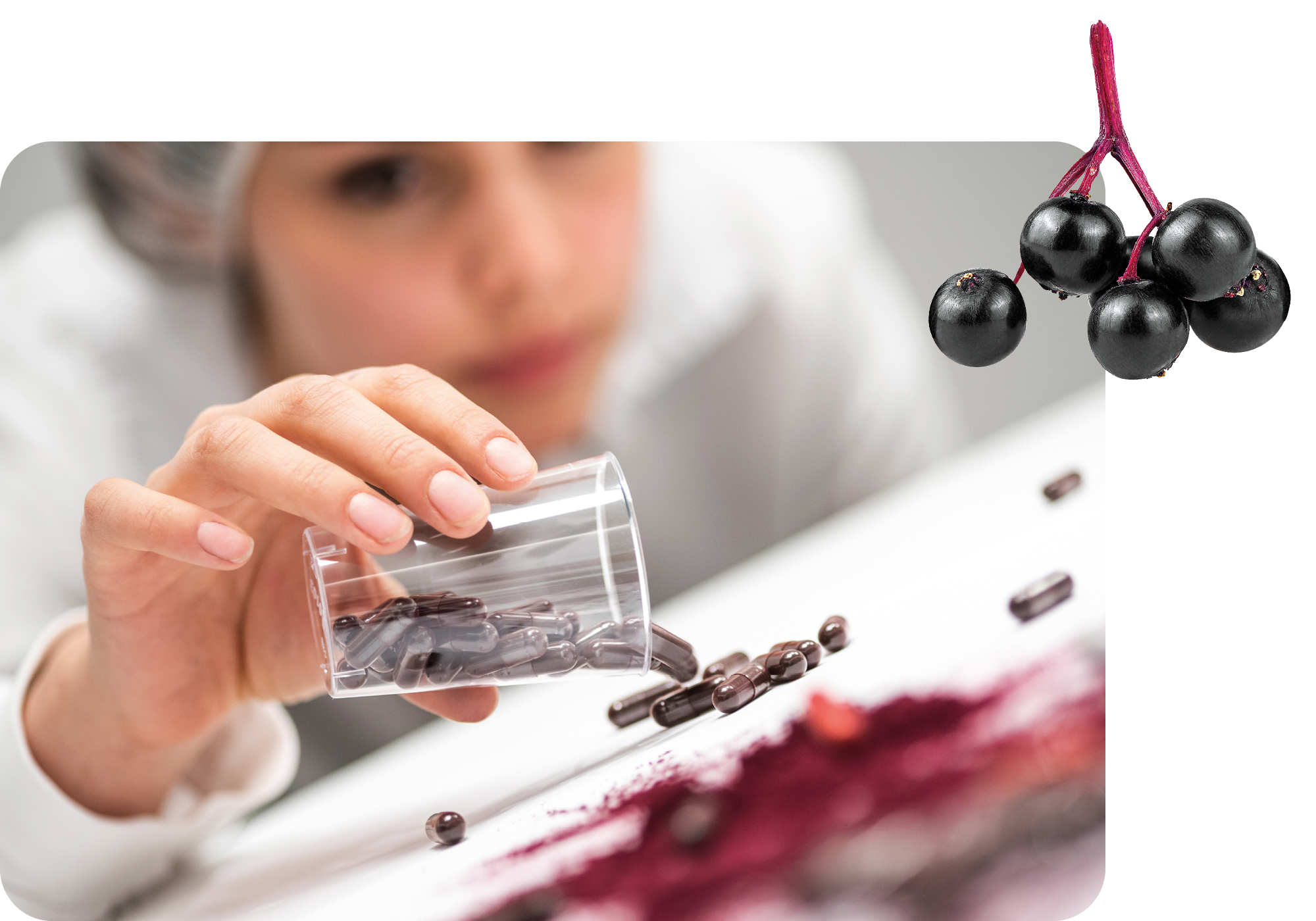
A branded ingredient gives the elderberry on the label a clear identity. It shows that the ingredient is made according to defined standards: from sourcing and processing to quality control and consistency. Instead of a generic ingredient with unclear origin or variable composition, look for elderberry that is backed by a recognizable brand, a quality seal, or transparent specifications.
- “Elderberry” tells you what plant was used
- ElderCraft® tells you what quality to expect
What to look for:
- Is the elderberry ingredient branded?
- Is there a recognizable quality seal?
ElderCraft®
makes that difference visible.
makes that difference visible.
Right on the ingredient list.
More Is Not Always Better
Big numbers can be misleading. “1000 mg” might sound impressive, but without context, it doesn’t tell you much. Is it raw powder? A diluted concentrate? Or a standardised extract?
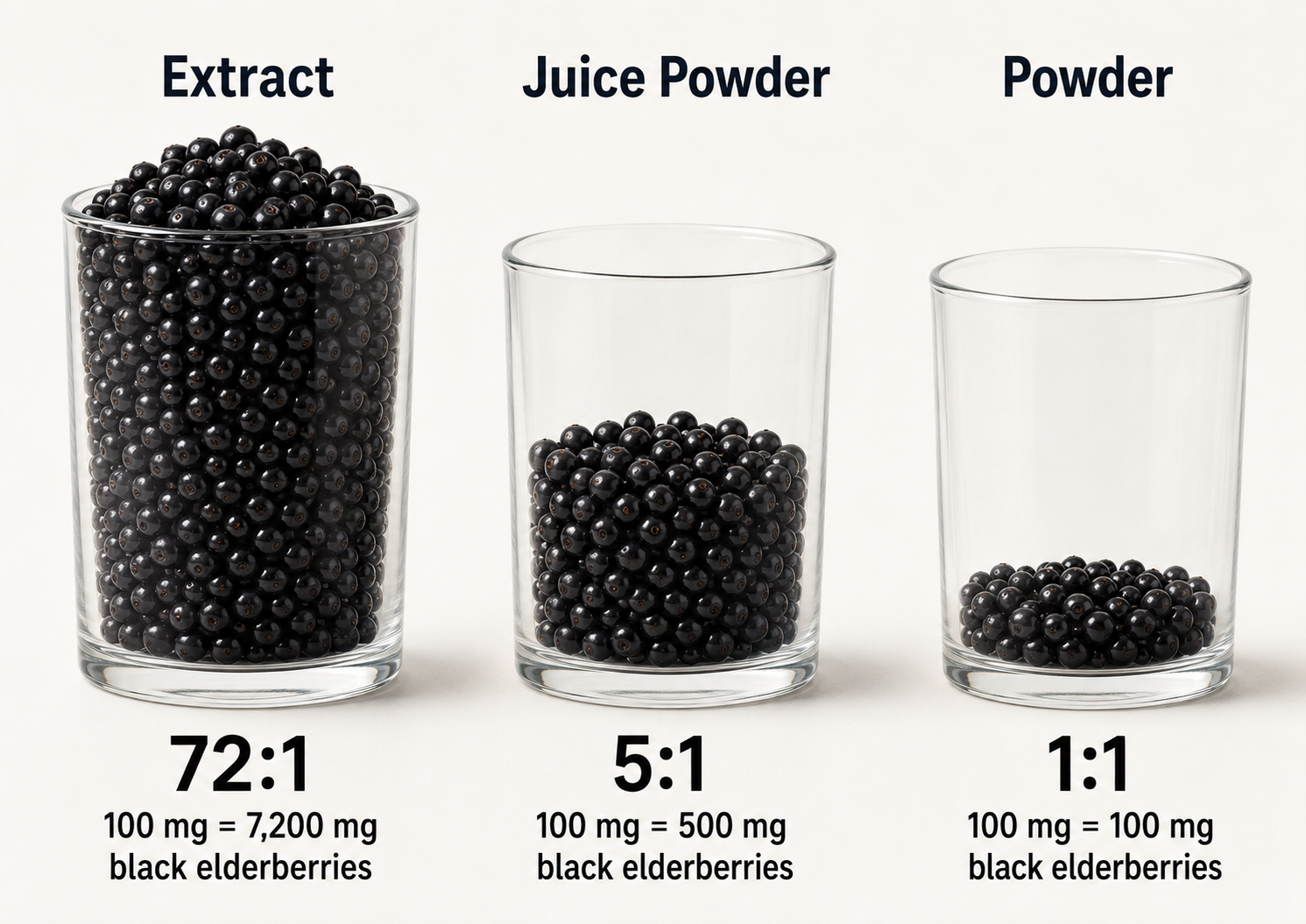
If we compare different ingredient delivery forms, the difference becomes clear. A 1:1 powder reflects the fruit in a relatively direct form.
A 5:1 juice powder represents a more concentrated form of the berry. A 72:1 extract goes even further: a small amount of extract can correspond to a much larger amount of black elderberries.
In practical terms, this means:
100 mg of 1:1 powder = 100 mg black elderberries
100 mg of 5:1 juice powder = 500 mg black elderberries
100 mg of 72:1 extract = 7,200 mg black elderberries
This is why a high milligram claim should never be read in isolation. The real value of an elderberry ingredient depends on the delivery form, the concentration, the extraction process, and the quality standard behind it.
What to look for:
- A clear daily intake recommendation
- Context on how the dosage relates to the ingredient delivery form (concentrate, powder, extract)
- Is the extract standardized?

What Real Quality Looks Like
When you focus on the ingredient - not just the claim - you start asking better questions:
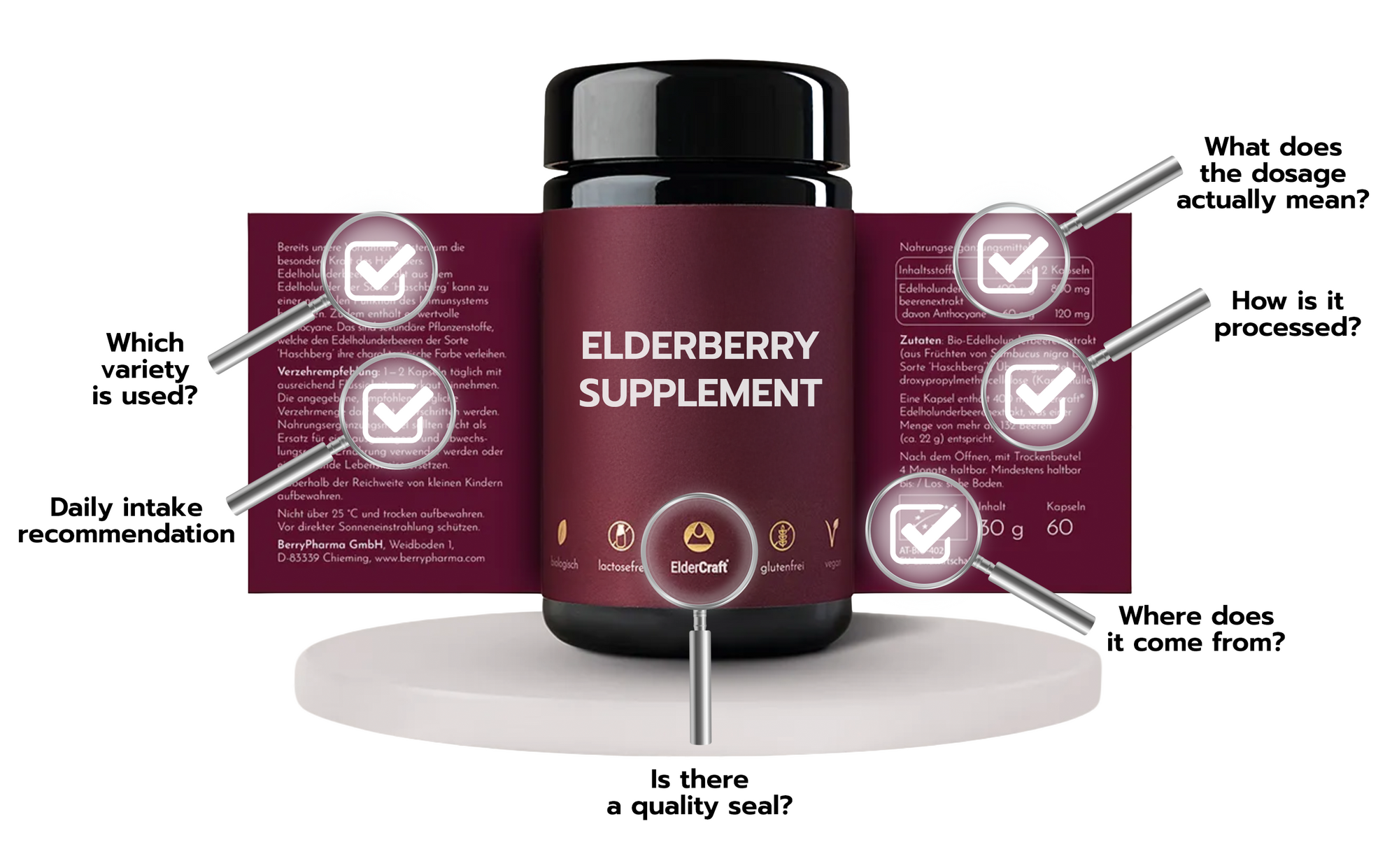
Where does it come from?
Which variety is used?
How is it processed?
What does the dosage actually mean?
What Real Quality Looks Like
When you focus on the ingredient - you start asking better questions:
Which delivery format is used?
Is the ingredient branded?
What does the dosage actually mean?
Because transparency is not a bonus.
It’s the foundation of trust.

Generic elderberry extracts
unstandardized powders
blended sources
unclear dosage
folklore-based claims

ElderCraft®
Haschberg
standardized
human data
traceable